
Commercial Window Installation and Replacement in South Jersey
Commercial properties can have very different window requirements.
A small professional building may have window openings and exterior construction similar to a residential property. An office, mixed-use building, or converted residential-style commercial property may also use window systems that fall naturally within traditional replacement-window applications.
Those are the types of commercial and light-commercial projects where AM Construction’s window and exterior remodeling experience can be especially relevant.
Commercial window replacement may be worth considering when existing windows are no longer operating properly, seals have failed, drafts are noticeable, water is entering around openings, or the windows have simply reached the point where continued repairs no longer make practical sense.
AM Construction also provides broader commercial exterior renovation services for properties where windows are only one part of a larger exterior improvement project.
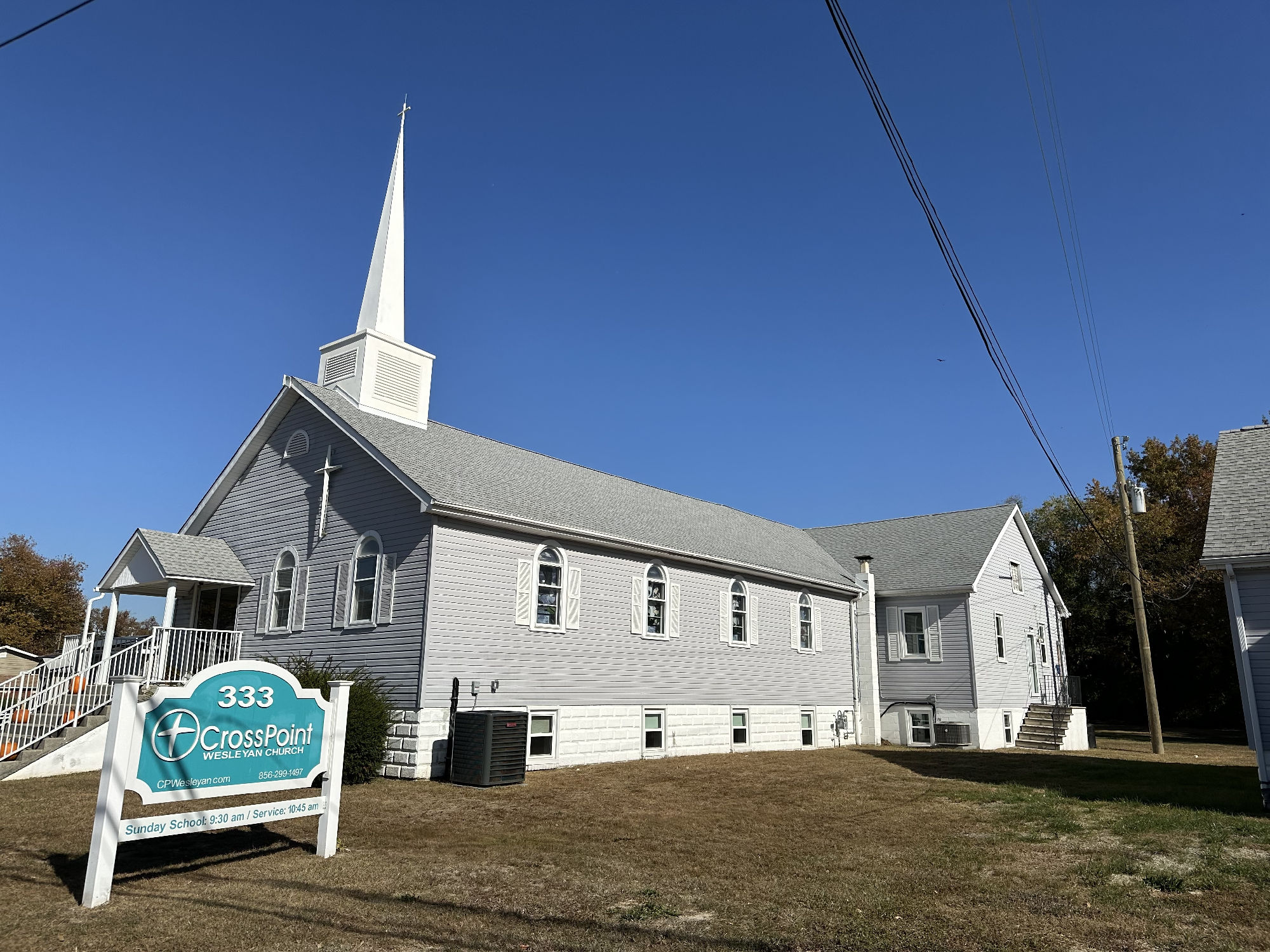
When Should Commercial Windows Be Replaced?
There isn’t a universal age when every commercial window needs replacement.
A window’s condition is usually more useful than its age alone.
Installation quality, frame material, glass, weather exposure, maintenance, building movement, and the condition of surrounding exterior materials can all affect how long a window performs properly.
Commercial windows should be evaluated when property owners begin noticing problems such as:
- Drafts around window openings
- Condensation or fogging between glass panes
- Water intrusion
- Deteriorated frames or trim
- Windows that are difficult to open or close
- Broken hardware
- Cracked or damaged glass
- Noticeable air leakage
- Recurring repairs
- Excessive exterior deterioration
- Windows that no longer fit the appearance of an updated property
One problem window doesn’t necessarily justify replacing every window in the building.
If failures are isolated, targeted replacement may be appropriate. When the same problems are developing throughout the property, a larger commercial window replacement project may make more sense.
Signs Your Commercial Windows Are Failing
Some window problems are obvious. Others develop gradually enough that building owners become accustomed to them.
A room that’s always colder in winter may simply seem like a difficult space to heat. Condensation may be wiped away repeatedly without considering why it’s occurring. Water staining around a window might be repainted several times before anyone investigates the exterior opening.
Those patterns deserve attention.
Drafts Around the Windows
Noticeable air movement can indicate problems involving the window, seals, installation, or surrounding opening.
Replacing a poorly performing window can help, but the installation itself needs to address air sealing around the new unit.
Fog or Condensation Between Panes
Moisture trapped between panes of insulated glass typically indicates that the sealed glass unit has failed.
This is different from condensation forming on the room-side surface of the glass. Moisture between panes generally can’t be wiped away because it is inside the glass assembly.
Water Around Window Openings
Water staining or deterioration around a commercial window should be investigated rather than assumed to be a failed window.
The source may involve the window itself, flashing, sealants, siding, trim, or another exterior transition.
Identifying where the water is actually entering is more important than simply replacing the most obvious component.
Difficult Operation
Windows that stick, bind, won’t lock correctly, or are difficult to open can indicate deterioration, damaged hardware, frame problems, or changes in the opening.
Operational problems are especially important when a window is expected to open and close regularly.
Deteriorating Frames and Trim
Visible rot, cracking, separation, corrosion, or other deterioration around a window can indicate that the opening needs more than a cosmetic repair.
The surrounding conditions should be evaluated before a replacement window is installed.
Benefits of Commercial Window Replacement
Replacing aging commercial windows can address several concerns at once.
The exact benefits depend on the existing windows and the replacement system selected, but a properly planned project may help improve:
Indoor comfort
Reducing drafts and improving the performance of window openings can make spaces near exterior walls more comfortable.
Exterior appearance
Windows make up a significant part of many commercial facades. Replacing mismatched, deteriorated, or visibly outdated units can give a property a cleaner appearance.
Energy performance
Modern glass packages and properly sealed installations can improve window performance compared with older or failing units.
Weather protection
Correct flashing and sealing help manage water around window openings.
Operation
Replacing windows with damaged hardware or deteriorated frames can restore normal functionality.
Maintenance
Newer window materials may reduce some of the recurring maintenance associated with older units.
The improvement a property experiences depends heavily on what is being replaced. A building with severely deteriorated, drafty windows may see a much more noticeable change than a building replacing relatively modern windows for appearance alone.
Energy-Efficient Commercial Windows
Energy efficiency is one of the most common reasons property owners begin researching commercial window replacement.
Windows are part of the building envelope, so their performance can influence heat transfer and air leakage between conditioned interior space and the outdoors.
But the phrase “energy-efficient window” can be misleading when it’s treated as though one feature determines everything.
Several components influence window performance.
Insulated Glass
Modern replacement windows commonly use multiple panes of glass separated by a sealed space. This insulating glass assembly performs differently from traditional single-pane glass.
Low-E Glass
Low-emissivity, or Low-E, coatings are designed to manage heat transfer through the glass while still allowing natural light into the building.
Different Low-E configurations are available, and the appropriate option can depend on the window and application.
Gas-Filled Insulating Space
Some insulated glass units use gases such as argon between the panes as part of the glass package.
Frame Construction
Glass isn’t the only part of a window that affects performance. Frame design and material also matter.
Installation and Air Sealing
A high-performing window installed poorly can still allow drafts or moisture around the opening.
That’s why commercial window replacement should be evaluated as an installed system rather than a glass specification alone.
Property owners interested in the company’s broader window options can explore AM Construction’s window replacement services.
Aluminum vs. Vinyl Commercial Windows
Property owners researching commercial replacement windows often encounter both aluminum and vinyl options.
Neither material is automatically right for every building.
Vinyl windows are widely used because they offer relatively low maintenance, good thermal characteristics, and numerous configurations for appropriate applications.
Aluminum windows have different structural and aesthetic characteristics and are commonly associated with various commercial applications.
The better choice depends on the type of property and window system required.
| Consideration | Vinyl Windows | Aluminum Windows |
| Maintenance | Generally low | Generally low |
| Thermal characteristics | Often a key strength | Depends heavily on frame design |
| Appearance | Wide range of traditional styles | Often associated with a more commercial appearance |
| Corrosion concerns | Does not rust | Finish and exposure conditions matter |
| Application | Common in residential-style and light-commercial openings | Common across many commercial applications |
| Best choice | Depends on building | Depends on building |
For AM Construction, the important distinction is the application.
We focus on replacement-window projects that fit our commercial and light-commercial exterior remodeling capabilities. Buildings requiring specialized curtain-wall systems, large engineered storefront assemblies, or other specialty glazing applications may require a contractor dedicated to those systems.
That distinction helps property owners find the right contractor for the actual project rather than treating every commercial window as the same product.
What About Wood and Fiberglass Windows?
Vinyl and aluminum aren’t the only window materials available.
Wood and fiberglass windows may also be appropriate depending on the architecture, existing windows, desired appearance, and performance goals.
Wood can provide a traditional appearance that may be desirable on certain buildings, although maintenance requirements need to be considered.
Fiberglass offers another alternative with different durability and thermal characteristics.
AM Construction works with established window manufacturers and can discuss appropriate options based on the type of replacement project.
The objective isn’t to begin with a predetermined material. It’s to determine which options fit the building and the owner’s priorities.
Commercial Window Replacement Cost in New Jersey
There isn’t one meaningful average price that applies to every commercial window project.
The cost of replacing commercial windows in New Jersey can vary substantially depending on the windows and building.
Important pricing factors include:
- Number of windows
- Window dimensions
- Window style
- Frame material
- Glass package
- Existing opening conditions
- Installation method
- Building height
- Accessibility
- Exterior trim requirements
- Flashing requirements
- Repairs discovered during removal
- Custom sizes or configurations
Larger windows aren’t simply more expensive because they contain more glass. Size can also affect handling, installation requirements, and labor.
Existing conditions matter as well.
If removing an old window reveals deteriorated framing or other damage, those conditions may need to be corrected before the replacement is installed properly.
For general context on window pricing and the factors that influence replacement costs, property owners can review AM Construction’s New Jersey roofing, siding, and window cost guide. Residential averages shouldn’t be treated as quotes for a commercial project, but the guide explains many of the variables that influence window pricing.
Why Commercial Window Installation Matters
A replacement window is only as good as the opening it goes into and the way it’s installed.
Precise measurements are essential. So are the details that aren’t as noticeable once the project is finished.
Commercial and light-commercial window installation should account for:
- Correct sizing
- Existing opening conditions
- Flashing
- Air sealing
- Water management
- Insulation around the opening
- Exterior trim
- Interior transitions
- Integration with siding or other exterior materials
These details become especially important when a building has experienced previous water problems.
Installing a new window without understanding why water was entering around the old one can leave the original problem unresolved.
That’s why AM Construction’s broader exterior experience is useful. A window opening doesn’t exist independently from the siding, trim, flashing, and wall around it.
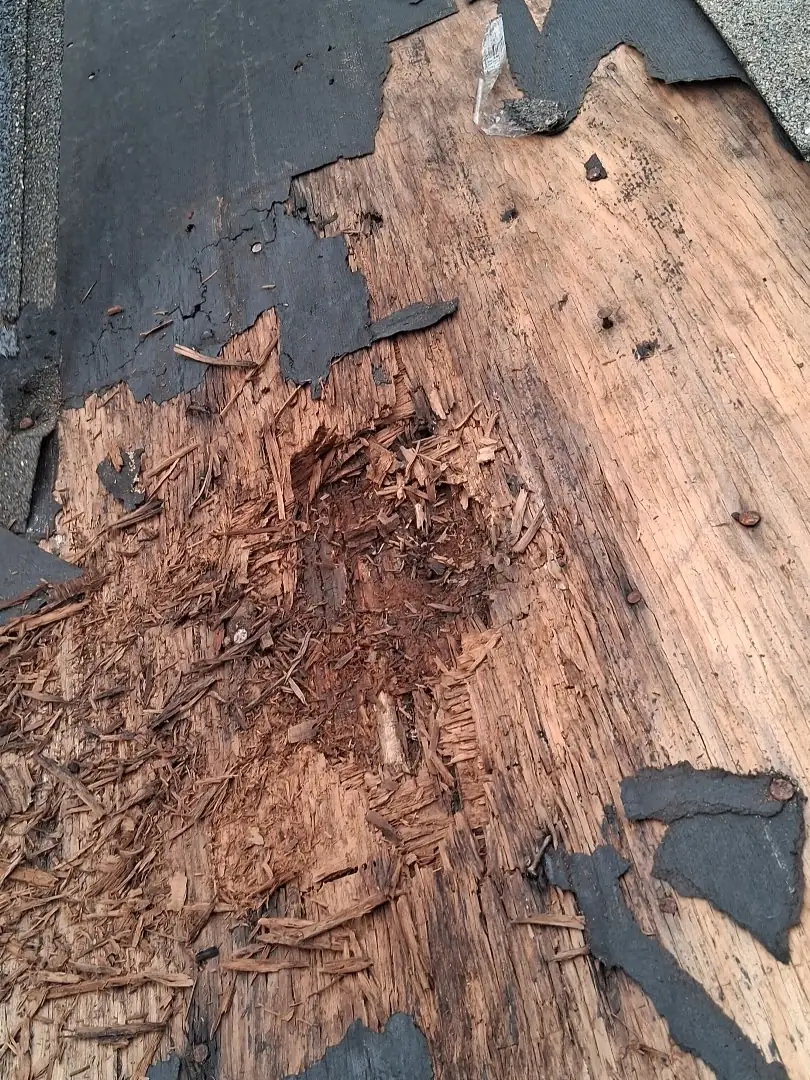
Window Leaks Aren't Always Caused by the Window
This is one of the most important things for a property owner to understand before approving replacement.
Seeing water near a window does not automatically mean the window itself has failed.
Water can enter above or beside the opening and travel before becoming visible indoors. Problems involving flashing, siding, trim, sealants, or other exterior details can sometimes create what appears to be a window leak.
AM Construction has encountered this principle firsthand in exterior work: the visible symptom isn’t always located at the original point of water entry.
A useful inspection should therefore consider the window and its surrounding exterior conditions.
Replacing a functioning window won’t solve a leak caused somewhere else.
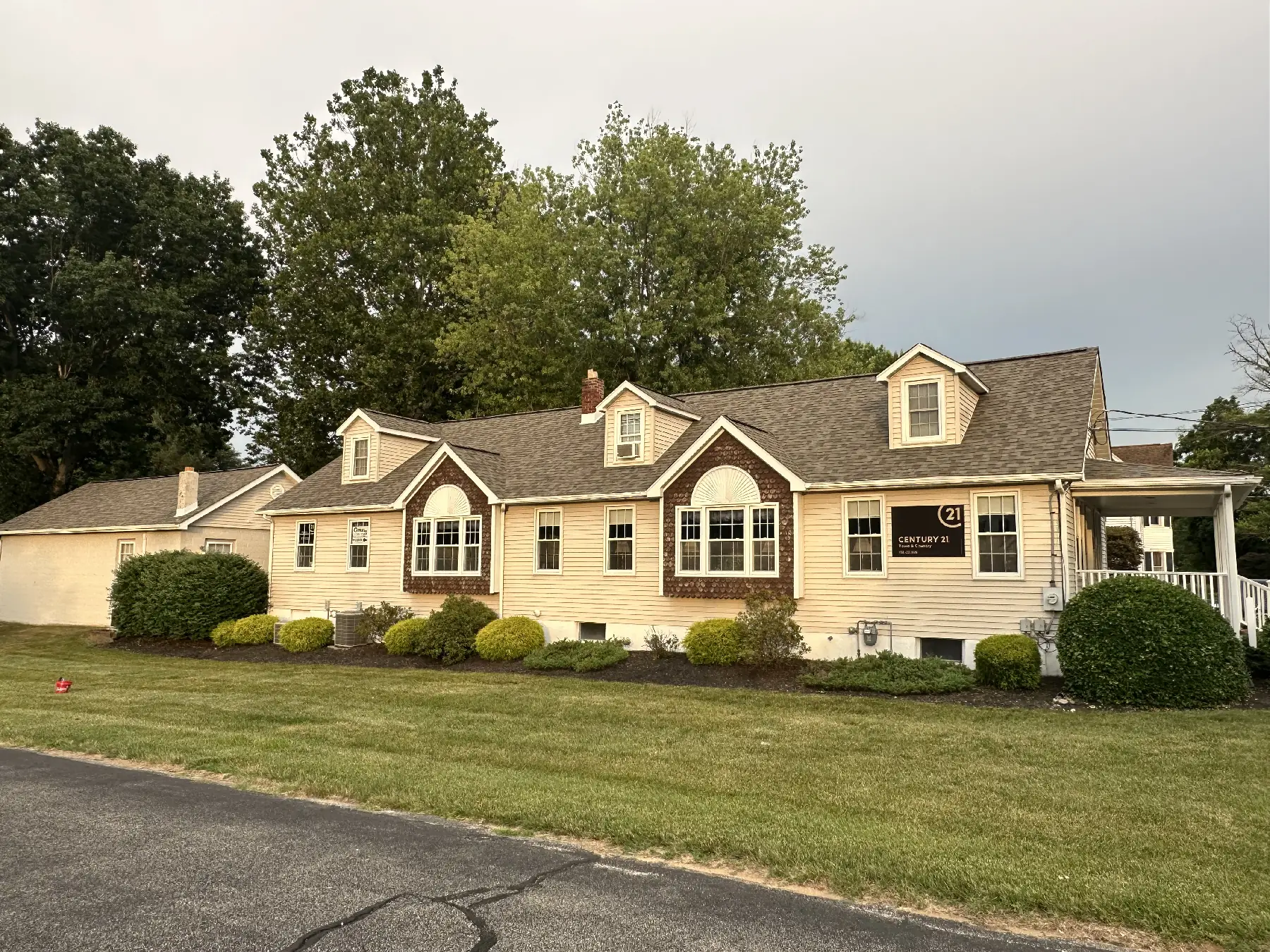
Commercial Windows and the Building Envelope
Windows are openings in the building envelope, which makes the way they connect to surrounding materials particularly important.
The roof helps manage water from above. Siding and exterior wall components protect vertical surfaces. Windows interrupt those surfaces and require their own flashing and sealing details.
When these systems work together, water is directed away from vulnerable areas.
When they don’t, problems can appear around openings and transitions.
For commercial properties with several exterior concerns, AM Construction’s commercial exterior renovation services provide a broader approach to roofing, siding, windows, and related exterior components.
Similarly, if deteriorated siding surrounds the windows being replaced, it may make sense to evaluate both projects before deciding which work should happen first. Learn more about our commercial siding services when both exterior systems need attention.
Should You Replace All Commercial Windows at Once?
Not necessarily.
If only a few windows have failed and the rest remain in good condition, targeted replacement may be a practical option.
Replacing multiple windows at once becomes more worth considering when:
- Similar failures are occurring throughout the building
- Windows are approximately the same age and condition
- Energy performance is a larger project priority
- The owner wants a consistent exterior appearance
- Several openings have recurring water or air-leakage concerns
- A broader exterior renovation is already planned
There can also be practical advantages to coordinating work, but property owners shouldn’t replace functional windows simply because another window has failed.
Condition should drive the decision.
What to Expect During a Commercial Window Replacement Project
Every building is different, but a well-planned replacement project begins before the old windows come out.
The process generally starts by evaluating existing conditions and determining the scope of replacement. Measurements are taken, window options are reviewed, and installation requirements are identified.
Once the replacement units are ready, the existing windows can be removed and the openings inspected.
This stage matters because some conditions can’t be fully evaluated until the old unit is out.
If deterioration or damage is uncovered, it should be addressed appropriately before the replacement window is completed.
The new windows are then installed, sealed, insulated as required, and finished around the interior and exterior according to the project scope.
For occupied commercial properties, project planning should also consider how the work may affect normal use of the building. Clear communication about scheduling and access can help minimize unnecessary disruption.
Replacing Windows During a Larger Commercial Exterior Renovation
Window replacement is sometimes one phase of a larger property improvement.
An older commercial building may need new windows while also showing deteriorated siding or roofing problems. Looking at those conditions together can help property owners establish priorities and avoid planning each improvement in isolation.
This is particularly important where different materials connect.
Replacing siding around aging windows, for example, creates an obvious reason to consider whether those windows will also need replacement in the near future.
The same principle works in reverse. If windows are being replaced now and siding replacement is planned soon, thinking ahead about flashing and exterior transitions can help create a more coordinated project.
AM Construction provides roofing services, commercial siding services, and window replacement, allowing appropriate commercial and light-commercial projects to be evaluated from a broader exterior perspective.
Why Choose AM Construction for Commercial Window Replacement?
AM Construction has more than 40 years of experience in the exterior construction industry.
Our company began in commercial flat roofing in South Jersey and expanded over the decades to provide roofing, siding, windows, and other exterior improvements.
That history is relevant to window replacement because windows don’t exist independently from the rest of a building exterior.
Our experience with siding, roofing, flashing, and water management provides useful context when evaluating window openings and the exterior materials around them.
AM Construction also works with established window manufacturers, including ProVia, Pella, Andersen, and Simonton.
Just as importantly, we’re intentionally focused on the projects that fit our experience.
Our commercial window services are geared toward commercial and light-commercial replacement projects that naturally align with our established window and exterior remodeling capabilities. We don’t need to present ourselves as a specialty high-rise glazing or curtain-wall contractor to provide meaningful expertise for the buildings that fit our work.
AM Construction is family-owned and operated, licensed, bonded, and insured.
Commercial Window Replacement Throughout South Jersey
AM Construction serves customers throughout South Jersey, including Gloucester County, Salem County, Camden County, Burlington County, and Cumberland County.
New Jersey’s seasonal temperature changes put exterior components through repeated heating and cooling cycles. Rain, wind, humidity, winter weather, and summer heat also make proper sealing and water management important considerations around window openings.
For commercial and light-commercial property owners in South Jersey, working with an experienced local exterior contractor can help ensure those conditions are considered during planning and installation.
Request a Commercial Window Replacement Estimate
Drafty, fogged, damaged, or deteriorating commercial windows don’t always need the same solution. Some properties may only need targeted replacements, while others may benefit from replacing a larger group of aging windows or coordinating the project with other exterior improvements.
AM Construction can evaluate your existing windows, discuss replacement options, and help determine an appropriate scope for your property.
Looking for a commercial window replacement contractor in South Jersey? Contact AM Construction to request an estimate for your commercial or light-commercial window project.
Frequently Asked Questions
Commercial windows may need replacement when they develop failed seals, condensation between panes, drafts, water intrusion, deteriorated frames, damaged hardware, difficult operation, or recurring problems across multiple openings. Age can be a factor, but the condition and performance of the windows are more important than replacing them according to a fixed schedule.
The right energy-efficient window depends on the building and application. Important factors can include insulated glass, Low-E coatings, frame construction, air leakage, glazing options, and proper installation. A high-performance window also needs to be correctly measured, flashed, sealed, and integrated with the surrounding exterior to perform as intended.
Neither material is best for every commercial building. Vinyl windows can be a practical, low-maintenance choice for many light-commercial and residential-style openings, while aluminum window systems are common in a variety of commercial applications. Building design, window size, performance requirements, appearance, and the type of opening should guide the choice.
Commercial window replacement cost varies according to the number and size of windows, frame material, glass package, accessibility, installation method, existing opening conditions, flashing and trim requirements, and any repairs discovered during removal. An on-site evaluation is the most reliable way to develop pricing for a specific commercial property.
Look for relevant window and exterior installation experience, proper licensing and insurance, clear project scopes, knowledge of flashing and water management, and a contractor who evaluates the existing openings before recommending replacement. For commercial and light-commercial buildings with siding or other exterior concerns, experience across multiple exterior systems can also be valuable.