
Commercial Siding Installation and Replacement in South Jersey
Commercial siding needs vary considerably from one property to another.
Some owners are dealing with aging siding that has reached the point where repairs are becoming frequent. Others want to update an older exterior while addressing worn materials at the same time.
The right solution starts with the condition of the existing building.
A commercial siding project may involve replacing deteriorated exterior materials, updating trim and related components, addressing problem areas discovered during removal, or coordinating siding with other exterior improvements.
For properties that need more than siding alone, our commercial exterior renovation services take a broader look at roofing, siding, windows, and the areas where those systems meet.
The goal isn’t to replace more than necessary. It’s to develop a scope that makes sense for the condition of the property and the owner’s plans for the building.
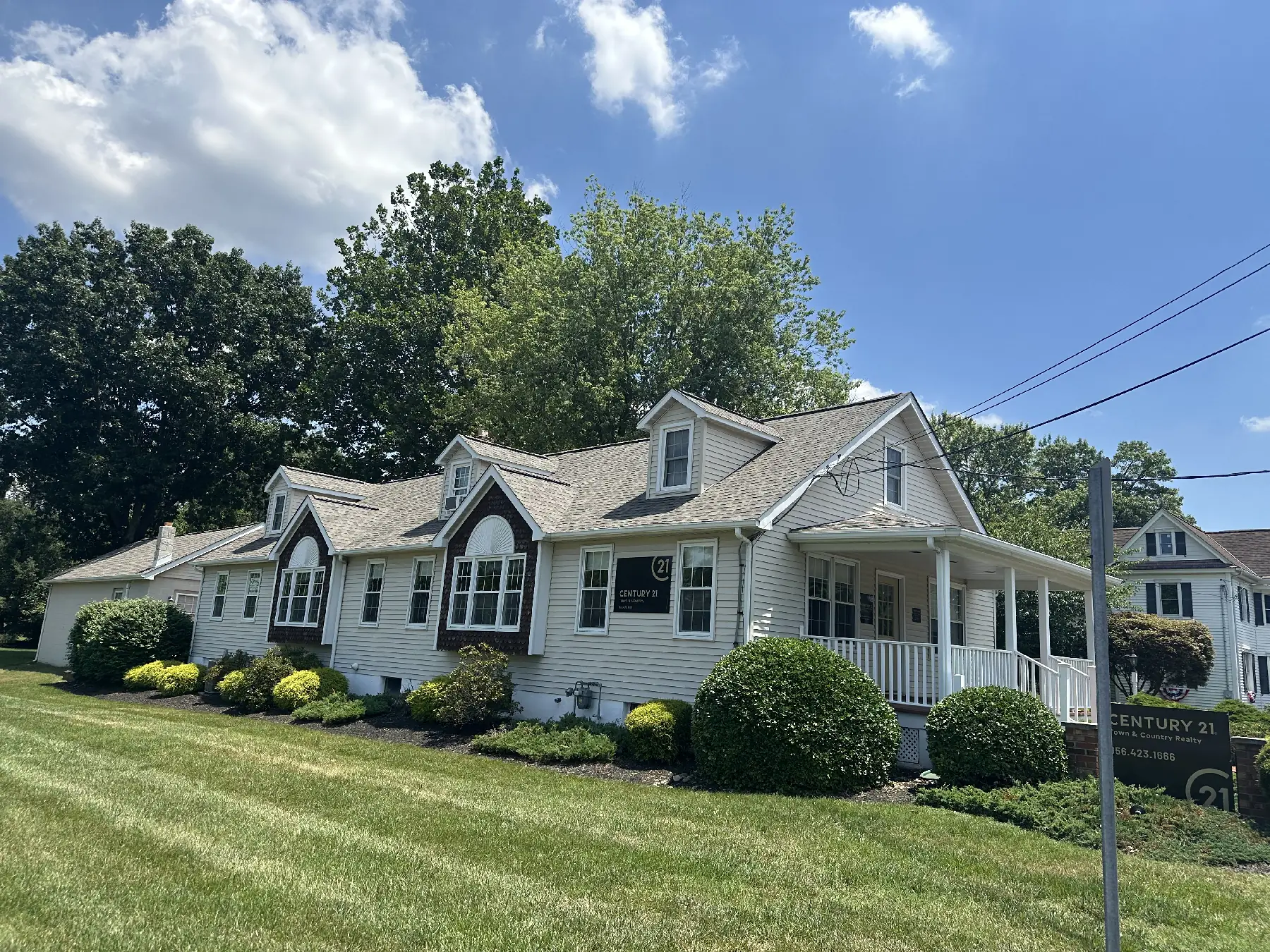
Signs Commercial Siding May Need Replacement
Exterior deterioration isn’t always dramatic.
Commercial siding often shows smaller warning signs before widespread failure becomes obvious. Catching those changes gives property owners more time to evaluate the problem rather than waiting for an urgent repair.
Signs that commercial siding should be inspected include:
- Cracked or broken siding
- Loose or missing sections
- Warped or buckled panels
- Widespread fading or discoloration
- Repeated siding repairs
- Visible deterioration around windows and openings
- Moisture concerns behind or around exterior materials
- Damaged trim
- Storm or impact damage
- An exterior that has become difficult to maintain
One damaged section doesn’t automatically mean an entire building needs new siding.
The extent of the deterioration matters. Localized damage may call for a localized solution, while problems appearing throughout the exterior may make commercial siding replacement more practical.
That’s a distinction worth making before committing to a larger project.
Why Commercial Siding Condition Matters
Siding is easy to think of as an aesthetic finish, especially on a commercial property where appearance can influence how people perceive the business or building.
Its role goes deeper than curb appeal.
Siding is part of the exterior assembly that helps manage exposure to rain, wind, sunlight, and changing temperatures. The installation details around windows, corners, penetrations, trim, and transitions also influence how effectively the exterior manages water.
This is why damaged siding deserves attention even when the cosmetic problem seems minor.
Water that reaches vulnerable areas behind exterior materials can affect components that aren’t immediately visible from the ground.
For an older commercial property, siding replacement also creates an opportunity to evaluate conditions that may have been hidden behind the existing exterior.
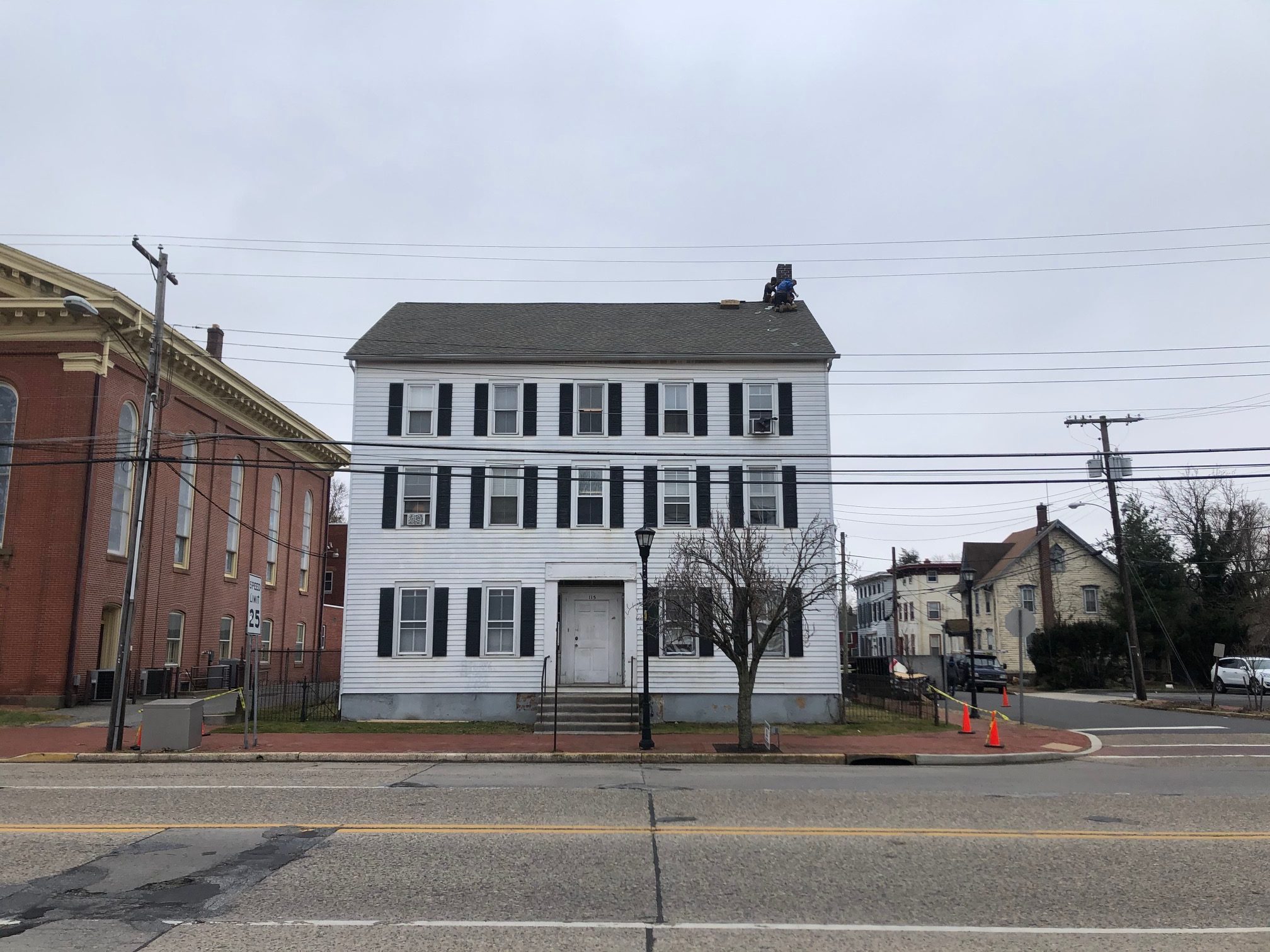
Choosing Siding for a Commercial Building
There is no single siding material that’s automatically best for every commercial property.
Material selection should reflect the building itself and how the owner expects the exterior to perform.
Important considerations include:
- Durability: How will the material handle everyday weather exposure and the conditions around the property?
- Maintenance: How much ongoing exterior maintenance does the owner want to manage?
- Appearance: Does the material complement the style, architecture, and intended presentation of the building?
- Budget: Initial project cost matters, but maintenance and expected service life should also be part of the discussion.
- Existing construction: The design and condition of the building can affect which siding options make practical sense.
- Installation details: Even a quality siding product depends on proper installation, flashing, trim, and water management.
AM Construction’s broader siding services include experience with vinyl siding and fiber cement siding, giving property owners options when evaluating an exterior update.
Vinyl Siding for Commercial and Light-Commercial Properties
Vinyl siding can be a practical option for certain commercial and light-commercial buildings.
Its relatively low maintenance requirements and broad range of available profiles and colors make it appealing when an owner wants to update an exterior without creating a demanding maintenance schedule.
Potential advantages include:
- Low routine maintenance
- Wide range of colors and styles
- Resistance to peeling and the need for repainting
- Clean, consistent exterior appearance
- Practical replacement options for appropriate buildings
Vinyl siding still needs to be installed correctly.
The panels need room to expand and contract as temperatures change, and the details around windows, doors, corners, rooflines, and other transitions require careful attention.
The material shouldn’t be chosen simply because it’s familiar. It should be selected because it fits the building, project goals, and expected use.
Fiber Cement Siding for Commercial Buildings
Fiber cement is another option property owners may consider when durability and a more substantial exterior appearance are priorities.
The material can replicate the appearance of traditional siding while offering characteristics that make it attractive for certain exterior applications.
For commercial and light-commercial properties, fiber cement may be considered when the owner is looking for:
- A substantial finished appearance
- Resistance to common exterior wear
- Multiple style and design possibilities
- An alternative to traditional wood siding
- Long-term exterior performance when properly installed and maintained
Fiber cement is heavier than vinyl and has different installation requirements. Those differences should be considered when evaluating labor, building conditions, and overall project scope.
The best choice isn’t necessarily the more expensive material. It’s the material that makes sense for the property.
Vinyl vs. Fiber Cement Siding for Commercial Properties
Commercial property owners often compare vinyl and fiber cement because both can provide a substantial visual improvement to an aging exterior.
Here’s the basic distinction:
| Consideration | Vinyl Siding | Fiber Cement Siding |
| Maintenance | Generally low | Requires appropriate ongoing maintenance |
| Weight | Lighter | Heavier |
| Appearance | Many profiles and colors | Can provide a substantial, traditional appearance |
| Installation | Requires correct expansion and fastening practices | More labor-intensive installation |
| Painting | Typically does not require routine painting | Finish requirements vary by product |
| Best choice | Depends on building and priorities | Depends on building and priorities |
This isn’t a case where one product wins every category.
For one property, minimizing maintenance may be the priority. Another owner may put more weight on appearance, material characteristics, or the existing architectural style.
A commercial siding contractor should be able to explain those tradeoffs rather than pushing the same material onto every building.
What Affects Commercial Siding Replacement Cost in NJ?
Commercial siding replacement costs can vary significantly because commercial buildings aren’t standardized.
Two properties with similar square footage can have very different project requirements.
Factors that can affect the cost of commercial siding replacement include:
- Amount of siding being replaced
- Material selected
- Height of the building
- Accessibility
- Number of windows and doors
- Corners and architectural details
- Trim requirements
- Removal and disposal of existing siding
- Condition beneath the existing exterior
- Repairs discovered during removal
- Flashing requirements
- Complexity of the installation
For that reason, generalized online pricing should be treated as a planning reference rather than a quote.
A property-specific evaluation allows the contractor to measure the building, inspect accessible conditions, discuss material choices, and develop an estimate around the actual project.
Property owners can also review our New Jersey roofing, siding, and window cost guide for additional context on the factors that influence exterior remodeling costs.
Commercial Siding Installation Is About More Than the Panels
Good siding can still perform poorly when installation details are overlooked.
Commercial and light-commercial exteriors contain transitions where siding meets windows, doors, trim, rooflines, penetrations, and other materials. Those areas require careful attention because they’re also places where water can find its way behind an exterior.
A siding installation should account for:
- Proper fastening
- Material movement
- Flashing
- Exterior penetrations
- Window and door transitions
- Trim details
- Water management
- Existing wall conditions
This is also why AM Construction looks beyond the visible siding when evaluating a project.
If a property has unexplained moisture problems, deteriorated window openings, or concerns involving several exterior systems, the underlying issue may require a broader evaluation rather than simply covering the building with new siding.
Siding and the Commercial Building Envelope
The building envelope separates conditioned interior spaces from exterior conditions.
Siding is one part of that system. Roofing, windows, doors, flashing, drainage components, and other exterior details also contribute to keeping weather outside.
That relationship becomes especially important during renovation.
For example, replacing siding without properly addressing the areas around existing windows can leave vulnerable transitions. Similarly, exterior water problems may appear to involve siding when the actual source begins somewhere else.
Property owners facing multiple exterior issues can learn more about AM Construction’s commercial exterior renovation services, which consider roofing, siding, windows, and related exterior components together.
If windows are also approaching replacement, evaluating both projects before construction begins can help identify how the two systems will integrate.
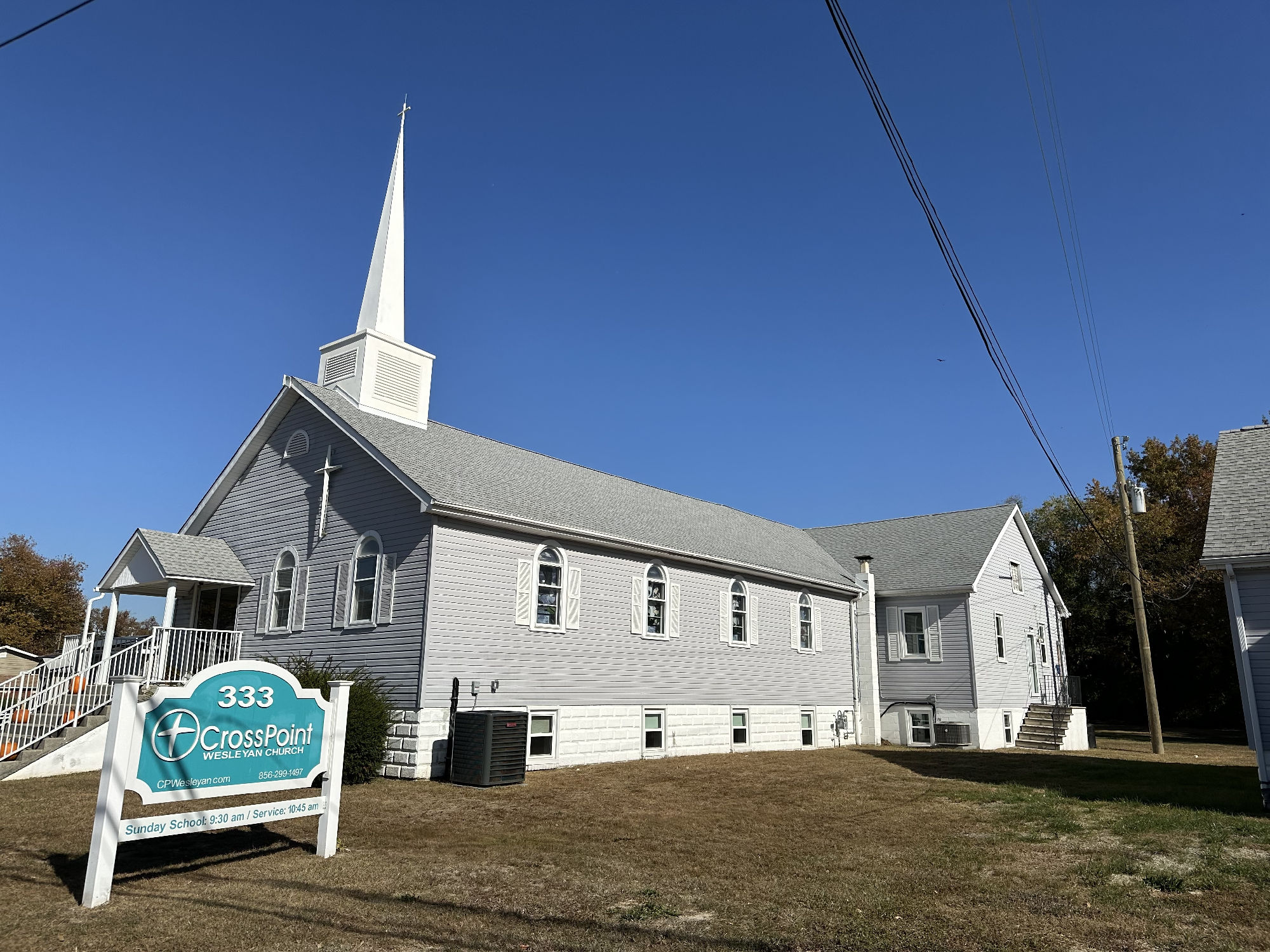
Should You Repair or Replace Commercial Siding?
Not every siding problem requires complete replacement.
A small area damaged by impact or weather may be repairable when compatible materials are available and the surrounding siding remains in good condition.
Replacement becomes more worth considering when:
- Damage is widespread
- Siding has deteriorated across multiple elevations
- Repairs are becoming frequent
- Matching existing materials is difficult
- Moisture problems continue to return
- The owner wants to substantially update the exterior
- Several exterior components are being renovated together
Age can influence the decision, but condition matters more.
An older exterior that remains sound shouldn’t be replaced simply because of a date on the calendar. At the same time, repeatedly repairing siding that is deteriorating throughout the property may only postpone a larger project.
A professional evaluation can help distinguish between the two situations.

Commercial Siding as Part of a Larger Exterior Improvement
Sometimes siding is the entire project. Sometimes it isn’t.
An owner may discover that aging siding, older windows, and roofing concerns are all developing around the same point in the property’s life.
Planning those improvements together doesn’t mean they all have to be completed at once. It means understanding how the projects relate before making decisions.
AM Construction provides roofing, siding, and window replacement services, allowing us to look at several major exterior components when the property calls for a broader approach.
This can be especially useful on commercial and light-commercial buildings where the owner is trying to improve both exterior performance and appearance.
Why Choose AM Construction for Commercial Siding?
Commercial exterior work should be grounded in actual exterior construction experience.
AM Construction has served South Jersey for more than 40 years. Our company began in commercial flat roofing and grew to provide roofing, siding, windows, and exterior improvements throughout the region.
We’re also a CertainTeed Master Craftsman siding contractor, adding product and installation knowledge to our hands-on experience with siding projects.
Just as important, we don’t need to position ourselves as a contractor for every type of commercial facade to be useful to commercial property owners.
Our focus is straightforward: commercial and light-commercial exterior projects that align with the roofing, siding, window, and exterior remodeling work we’ve built our business around.
That allows us to bring established exterior experience into appropriate commercial projects without pretending every commercial building has the same requirements.
AM Construction is family-owned and operated, licensed, bonded, and insured.
Commercial Siding Services Throughout South Jersey
AM Construction serves customers across South Jersey, including Gloucester County, Salem County, Camden County, Burlington County, and Cumberland County.
South Jersey exteriors experience hot summers, cold winters, wind, rain, snow, and repeated seasonal temperature changes. Siding materials and installation details need to account for those conditions while fitting the individual building.
Local experience also means understanding that South Jersey commercial properties aren’t all large complexes.
Small office buildings, mixed-use properties, professional buildings, converted residential-style commercial properties, and other light-commercial buildings can have exterior systems much closer to residential construction than to high-rise commercial facades.
Those are precisely the kinds of projects where established siding and exterior remodeling experience can be especially relevant.
Request a Commercial Siding Estimate
Damaged or deteriorating siding can affect more than the appearance of a commercial property. If you’re seeing loose panels, cracking, recurring repairs, moisture concerns, or widespread exterior wear, it’s worth finding out what condition the siding is actually in.
AM Construction can evaluate the property, discuss appropriate siding options, and help determine whether repair, replacement, or a broader exterior improvement makes sense.
Need a commercial siding contractor in South Jersey? Contact AM Construction to request an estimate for your commercial or light-commercial siding project.
Frequently Asked Questions
There isn’t one siding material that’s best for every commercial building. Vinyl and fiber cement can both be appropriate in certain commercial and light-commercial applications. Building design, weather exposure, maintenance expectations, appearance, budget, existing construction, and installation requirements should all influence material selection.
Widespread cracking, warping, loose or missing siding, recurring repairs, moisture concerns, deteriorated trim, extensive fading, and damage across multiple areas can indicate that replacement should be considered. Localized damage may still be repairable, so an evaluation is useful before deciding to replace the entire exterior.
Commercial siding cost depends on the size and height of the building, siding material, accessibility, removal requirements, number of openings, trim and flashing details, underlying repairs, and installation complexity. Because commercial properties vary substantially, an on-site estimate is more reliable than applying a generic square-foot price to every building.
It depends on the property. Vinyl siding can offer low maintenance and a wide range of styles, while fiber cement provides different material and appearance characteristics. Neither is universally better. The appropriate choice depends on the building, desired appearance, maintenance expectations, budget, and project requirements.
Look for a contractor with relevant siding and exterior construction experience, proper licensing and insurance, clear project scopes, knowledge of flashing and water-management details, and the ability to explain material choices without pushing a one-size-fits-all solution. For light-commercial properties, experience with roofing, windows, and other exterior components can also be useful when several systems intersect.